


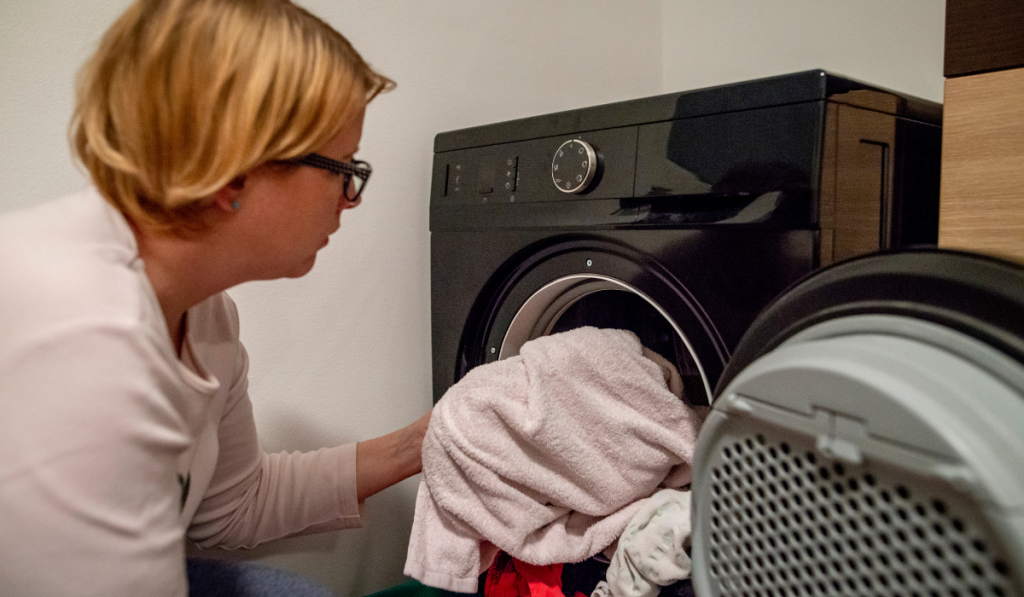
A leaking front load washing machine is one of those problems that starts small and quickly becomes a major headache. Whether it is a small puddle under the door or water spreading across your laundry room floor, leaks should never be ignored. The good news is that most front loader leaks are caused by a handful of common issues, many of which can be identified and fixed without replacing the entire unit.
The Most Common Causes of Front Load Washer Leaks
Front load washers are designed differently than top loaders. Because the door sits on the front of the machine, they rely heavily on seals, gaskets, and proper balance to keep water contained. When something goes wrong, leaks often follow.
1. Damaged or Dirty Door Gasket
The door gasket, also known as the rubber seal, is one of the most common causes of leaks.
Over time, the gasket can:
- Develop small tears or cracks
- Collect dirt, detergent buildup, and debris
- Trap small objects like coins or hairpins
When this seal is compromised, water can escape during the wash cycle.
What to check: Open the washer door and inspect the rubber gasket carefully. Look for tears, mold buildup, or trapped debris.
Quick fix: Clean the gasket thoroughly and remove any obstructions. If it is damaged, it will need to be replaced.
2. Overloading the Washer
It is tempting to fit as much laundry as possible into one load, but overloading can cause leaks.
When a washer is overloaded:
- Clothes press against the door seal
- Water cannot circulate properly
- The machine may become unbalanced
This can force water past the gasket and onto your floor.
What to check: If leaks happen during large loads but not smaller ones, overloading may be the issue.
Quick fix: Follow manufacturer load size guidelines and avoid packing the drum too tightly.
3. Using Too Much Detergent
Front load washers require high-efficiency (HE) detergent. Using too much or the wrong type can create excessive suds.
Too many suds can:
- Push water out of the door seal
- Overflow from the detergent drawer
- Cause internal pressure issues
What to check: Look for excess foam during cycles or residue buildup inside the machine.
Quick fix: Switch to HE detergent and use the recommended amount. Less is often more.
4. Clogged or Faulty Drain Pump Filter
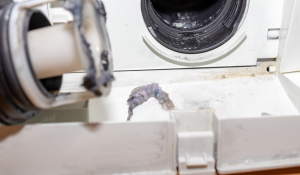
Your washer has a drain pump filter that catches lint, debris, and small objects. When this filter becomes clogged, water may not drain properly.
This can lead to:
- Water backing up inside the drum
- Leaks from the bottom of the machine
- Slow or incomplete draining
What to check: Locate the drain pump filter (usually behind a small panel at the bottom front of the washer).
Quick fix: Clean out the filter regularly to prevent blockages.
5. Loose or Damaged Hoses
Water supply hoses and internal hoses can loosen, crack, or wear out over time.
Common problem areas include:
- The inlet hoses at the back of the machine
- The drain hose connection
- Internal tubing connections
What to check: Inspect hoses for moisture, cracks, or loose fittings.
Quick fix: Tighten connections or replace damaged hoses.
6. Leaking Detergent Drawer
If you notice water leaking from the front of the machine near the detergent tray, the drawer may be the issue.
Causes include:
- Detergent buildup blocking proper flow
- Overfilling the drawer
- Using the wrong detergent type
What to check: Remove the drawer and inspect for buildup or clogs.
Quick fix: Clean the drawer and use only the recommended detergent type and amount.
7. Unlevel Washing Machine
A washer that is not level can cause water to pool unevenly and leak out during cycles.
Signs include:
- Excessive vibration
- Loud spinning
- Water leaking from the front
What to check: Use a level tool on top of the washer.
Quick fix: Adjust the feet of the machine until it sits evenly on the floor.
How to Identify Where the Leak Is Coming From
Before you can fix the issue, you need to pinpoint the source of the leak.
Here is a simple way to diagnose it:
- Front of machine: Likely door gasket or detergent drawer
- Back of machine: Hose connection or water supply issue
- Bottom of machine: Drain pump, internal hose, or filter
- During spin cycle only: Balance or overloading issue
Run a short cycle and observe when and where the leak occurs.
When to Call a Professional
While many leaks can be fixed with basic maintenance, some issues require professional repair.
Call The Bargain Busters for help if:
- The gasket is torn and needs replacement
- The drain pump is damaged
- Internal hoses are leaking
- You cannot identify the source of the leak
Ignoring these issues can lead to water damage, mold growth, and more expensive repairs down the line.
How to Prevent Future Washer Leaks
Preventing leaks is often easier than fixing them. A few simple habits can extend the life of your washer and reduce the risk of problems.
Regular Maintenance Tips:
- Clean the door gasket weekly
- Leave the door open after use to prevent mold
- Use the correct amount of HE detergent
- Check hoses every few months
- Clean the drain filter regularly
Staying proactive can save you time, money, and frustration.
Should You Repair or Replace Your Washer?
If your washer is older or leaking frequently, it may be time to consider replacement.
Repair may make sense if:
- The issue is minor
- The machine is relatively new
- Parts are affordable
Replacement may be better if:
- Repairs are frequent or costly
- The unit is over 8 to 10 years old
- Efficiency and performance have declined
Modern front load washers are more energy-efficient, use less water, and offer better leak protection features.
Find Affordable Appliances at The Bargain Busters
If your current washer is beyond repair or you are ready for an upgrade, choosing the right replacement matters. A reliable front load washer can save you money on water, energy, and future repairs.
At The Bargain Busters, you can find quality appliances at affordable prices, including front load washing machines designed for efficiency and durability. Whether you are replacing a leaking unit or upgrading your laundry setup, finding the right appliance at the right price makes all the difference.
Final Thoughts
If you are asking, “why is my front loader washing machine leaking water,” the answer usually comes down to a few common issues like a worn gasket, too much detergent, clogged filters, or loose hoses.
The key is to act quickly. Small leaks can turn into larger problems if left untreated. By identifying the source early and performing regular maintenance, you can keep your washer running efficiently and avoid costly damage.
If the problem continues or repairs start adding up, it may be time to explore a replacement that offers better performance and peace of mind.
Frequently Asked Questions
Why is water leaking from the bottom of my front load washer?
This is usually caused by a clogged drain pump filter, a damaged internal hose, or a faulty drain pump. Cleaning the filter is a good first step before calling for repairs.
Is it safe to use a leaking washing machine?
No. Continuing to use a leaking washer can cause water damage, mold growth, and potential electrical hazards. It is best to stop using it until the issue is identified and fixed.
Can too much detergent cause a washing machine to leak?
Yes. Using too much or the wrong type of detergent can create excess suds, which may force water out of the door seal or detergent drawer.
How do I know if my washer door seal is bad?
Check for visible cracks, tears, or buildup on the rubber gasket. If water is leaking from the front of the machine, the door seal is often the cause.
Should I repair or replace a leaking washing machine?
If the repair is minor and the machine is relatively new, fixing it makes sense. If it is older or requires frequent repairs, replacement may be the better long-term option.