


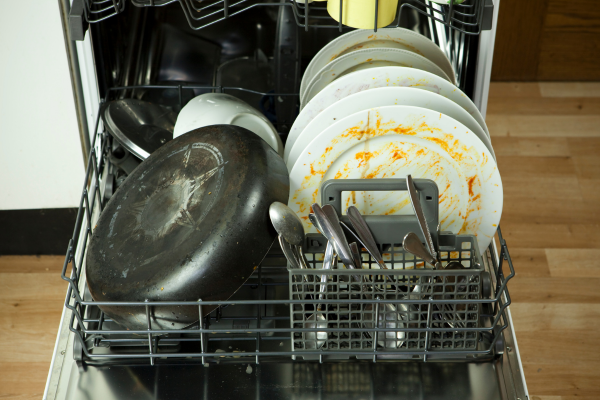
When Your Dishwasher Stops Delivering
You load the dishwasher, run a full cycle, and expect clean dishes. Instead, you open the door to find stuck-on food, cloudy glasses, or greasy residue. Now you’re re-washing everything by hand, which defeats the whole point.
This is one of the most common appliance frustrations homeowners deal with. The good news is that most dishwasher cleaning issues come down to a handful of specific problems. Some are simple fixes. Others point to a bigger issue with the unit itself.
Before you assume you need a brand-new dishwasher, it makes sense to diagnose what’s actually happening. And if you do need a replacement, The Bargain Busters gives you a way to upgrade without paying full retail.
Let’s break down exactly why your dishwasher isn’t cleaning your dishes and what you can do about it.
The Most Common Reasons Your Dishwasher Isn’t Cleaning Properly
Clogged Spray Arms Are Limiting Water Pressure
Your dishwasher relies on spray arms to push water across every surface. When those small holes get blocked, the entire system loses effectiveness.
Food debris, grease, and mineral buildup are the usual culprits.
What you’ll notice:
- Dishes on the top rack stay dirty
- Certain spots on plates consistently come out unclean
- Spray arms don’t spin freely when you check them manually
Fix:
- Remove the spray arms
- Rinse them under warm water
- Use a toothpick or small tool to clear clogged holes
This alone can dramatically improve performance.
A Dirty Filter Is Circulating Grime Instead of Removing It
Many people don’t realize their dishwasher has a filter that needs cleaning. When it gets clogged, it traps old food and sends dirty water back over your dishes.
Signs to watch for:
- Grit or particles stuck to dishes after a cycle
- A bad smell inside the dishwasher
- Water that looks cloudy during the cycle
Fix:
- Remove the filter from the bottom of the unit
- Rinse thoroughly under warm water
- Scrub lightly if needed
If you’ve never cleaned your filter, this should be your first step.
Water Temperature Is Too Low to Break Down Grease
Dishwashers are designed to work with hot water. If the temperature is too low, grease and detergent won’t break down properly.
Common causes:
- Water heater set too low
- Running the dishwasher without pre-heating water
- The long pipe runs cooling water before it reaches the unit
What works:
- Run hot water at the sink before starting the dishwasher
- Make sure your water heater is set to around 120°F
- Avoid running multiple hot water appliances at the same time
Hot water is a major factor. If it’s not right, nothing else performs well.
Detergent Is Holding You Back
Not all detergents perform the same. Using the wrong one can leave residue, streaks, or incomplete cleaning.
Issues include:
- Cheap detergent that doesn’t dissolve well
- Using too much or too little
- Hard water is affecting performance
What to try:
- Switch to a higher-quality detergent
- Test pods vs. powder, depending on your setup
- Consider adding a rinse aid for better drying and clarity
This is a simple change that often produces noticeable results.
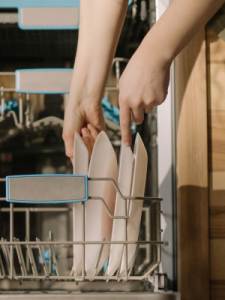
How Loading Your Dishwasher Impacts Cleaning Results
Overloading Blocks Water Flow
Packing your dishwasher too tightly prevents water from reaching every surface.
Common mistakes:
- Plates stacked too close together
- Bowls nested inside each other
- Utensils clumped in one spot
Better approach:
- Leave space between items
- Make sure water can move freely
- Treat airflow and water flow as priorities
Placement Matters More Than You Think
Where you put items directly affects how well they get cleaned.
Examples:
- Bowls facing up collect dirty water instead of draining
- Large pans block spray arms
- Cups placed at odd angles trap residue
Best practice:
- Face dishes toward the center spray
- Angle items downward for drainage
- Keep tall items away from the middle
Small adjustments here can solve big problems.
Mixing Items Incorrectly Reduces Effectiveness
Different materials behave differently during a wash cycle.
Issues include:
- Lightweight plastics flipping over and filling with water
- Utensils are sticking together and not getting cleaned
- Large items are disrupting the overall water distribution
Fix:
- Separate utensils
- Secure lightweight items
- Balance each load so water can circulate properly
Internal Buildup and Maintenance Problems
Grease and Mineral Buildup Reduce Performance Over Time
Even if you use your dishwasher correctly, buildup happens.
Over time:
- Soap scum collects inside the unit
- Hard water leaves mineral deposits
- Grease coats internal surfaces
What this causes:
- Reduced cleaning power
- Odors
- Poor rinse quality
Solution:
- Run a cleaning cycle with vinegar or a dishwasher cleaner
- Do this monthly if you use the dishwasher frequently
Worn-Out Parts Can’t Deliver Proper Cleaning
Dishwashers are mechanical systems. Over time, parts wear down.
Common failures:
- Spray arms lose pressure
- Pumps weaken
- Seals degrade
Signs:
- Consistent poor cleaning despite maintenance
- Strange noises during operation
- Longer cycles with worse results
At this point, you’re dealing with wear, not just maintenance.
Drainage Issues Lead to Dirty Water Recirculation
If water doesn’t drain properly, your dishwasher may reuse dirty water during the cycle.
What to look for:
- Standing water at the bottom
- Slow draining after cycles
- Smell of stagnant water
Causes:
- Blocked drain hose
- Clogged garbage disposal connection
- Failing pump
This issue needs to be addressed quickly to avoid bigger problems.
When It’s Time to Replace Your Dishwasher
Clear Signs It’s Not Worth Fixing
At some point, repair stops making sense.
Watch for:
- Repeated issues after multiple fixes
- Loud grinding or unusual noises
- Leaks or visible damage
- Age beyond 8 to 10 years
If you’re constantly troubleshooting, replacement becomes the better move.
The Cost of Holding Onto an Inefficient Unit
Older dishwashers:
- Use more water and energy
- Deliver inconsistent results
- Require more maintenance
You may be spending more over time than replacing it would cost.
Finding a Better Option Without Overspending
This is where The Bargain Busters stands out.
Instead of paying full price, you can:
- Browse discounted dishwashers
- Find reliable refurbished models
- Upgrade your kitchen without stretching your budget
You get performance without overpaying.
Fix What You Can, Replace What You Should
A dishwasher that doesn’t clean properly is not something you should just accept. In many cases, the fix is simple. Cleaning components, adjusting how you load dishes, and improving water temperature can make a big difference. When the machine itself starts failing, continuing to patch it together costs more time and money.
If your dishwasher is still leaving you with dirty dishes, it’s time to take action. Contact The Bargain Busters to find affordable dishwasher options that actually work. You’ll get reliable performance without paying full retail prices.
FAQs
Why is my dishwasher leaving food on dishes?
This usually comes from clogged spray arms, a dirty filter, or poor loading.
How often should I clean my dishwasher?
A quick filter clean once a month and a full cleaning cycle every month works well for most households.
Does detergent type really make a difference?
Yes. Higher-quality detergent and proper usage improve cleaning performance noticeably.
What temperature should my water be?
Around 120°F is ideal for breaking down grease and activating detergent.
How do I know if I should replace my dishwasher?
If it’s older, needs frequent repairs, or still performs poorly after maintenance, replacement is the better option.